

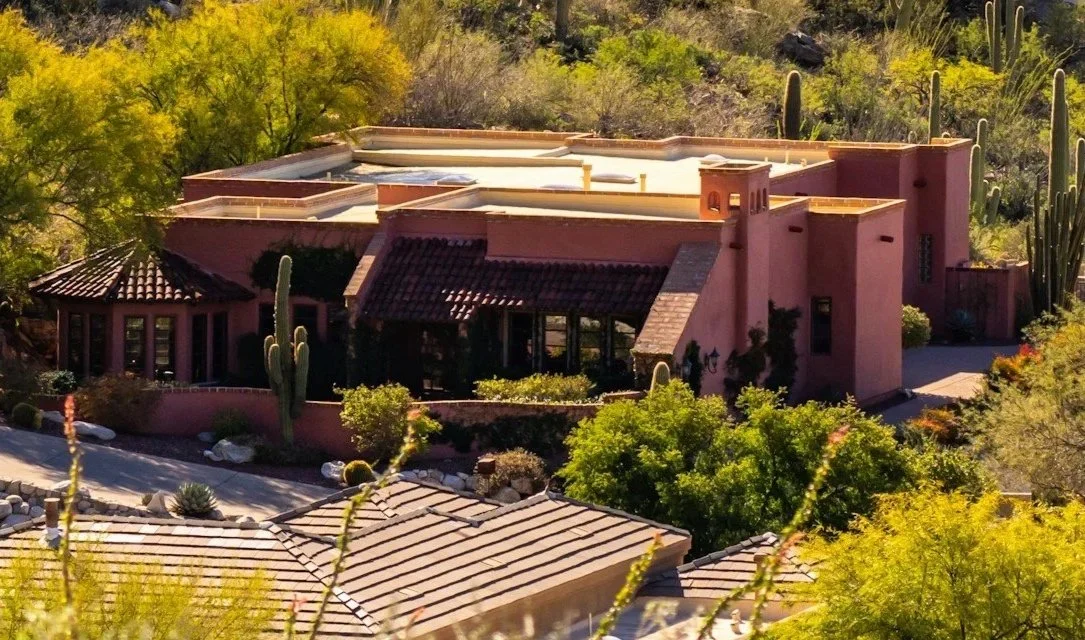
Should You Resurface Your Stucco or Replace Your Roof First?
Planning both stucco resurfacing and roof replacement? On flat-roof homes throughout New Mexico, the order of these projects can affect flashing, waterproofing, and long-term durability. Here’s what homeowners should know before starting either project.
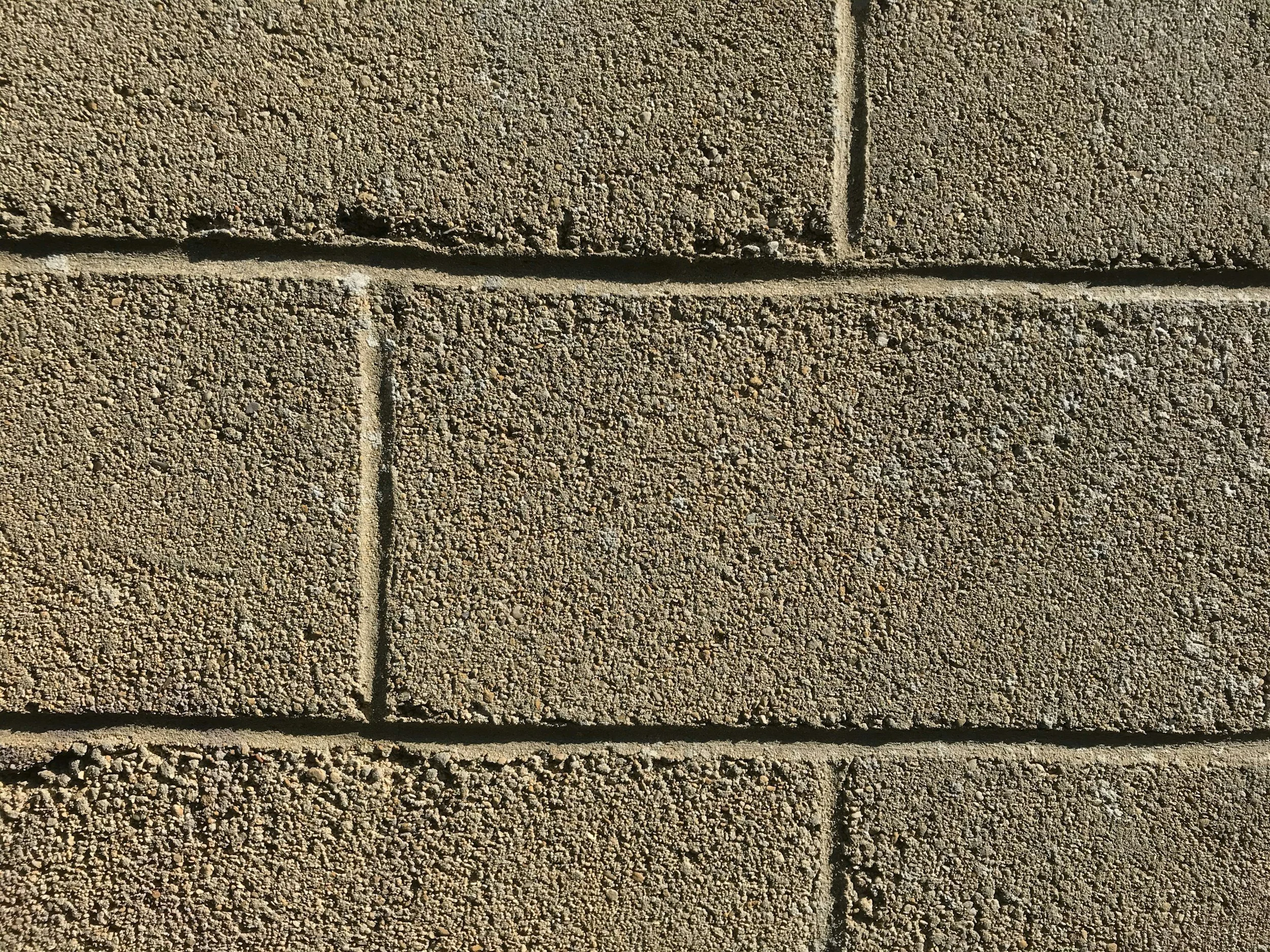
Installing Stucco Over CMU Block & Brick Surfaces in New Mexico
Applying stucco over CMU block and brick surfaces is a popular way to create a seamless, cohesive exterior—especially when blending patio walls with an existing stucco home or eliminating outdated brick accents. This guide explains the proper preparation required, when metal lath and expansion joints are appropriate, structural limitations of masonry substrates, and what New Mexico homeowners should realistically expect in terms of performance, aesthetics, and potential cracking over time.
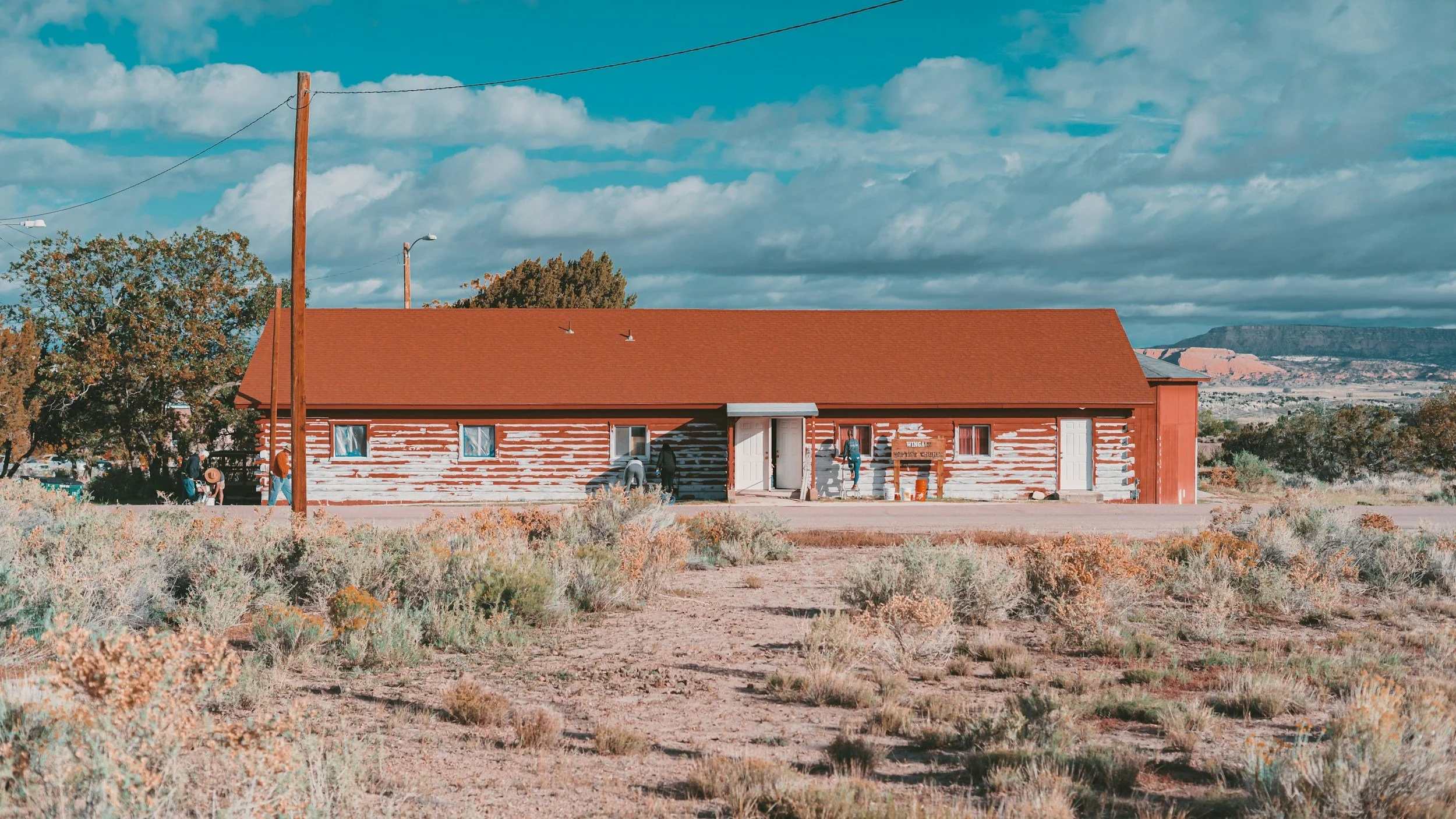
Converting Siding to Stucco in New Mexico
If you own a home in Santa Fe, Albuquerque, the East Mountains, or anywhere across Northern New Mexico, you've probably thought about your exterior at some point — whether it's holding up to the sun, staying tight through freeze-thaw cycles, or just looking the part in a region where stucco is practically the native language of residential architecture.
One question we hear a lot: Can I convert my siding to stucco?
The short answer is yes — and for many homeowners, it turns out to be one of the most practical upgrades they can make.

Understanding Santa Fe’s Historic District Stucco Requirements
Santa Fe’s historic districts are governed by strict architectural guidelines designed to preserve the city’s iconic adobe character. When it comes to stucco work, homeowners must follow specific requirements regarding materials, textures, colors, and permitting. Understanding these rules before beginning a project can help prevent delays, protect your home’s historic integrity, and ensure your exterior work complies with local preservation standards.
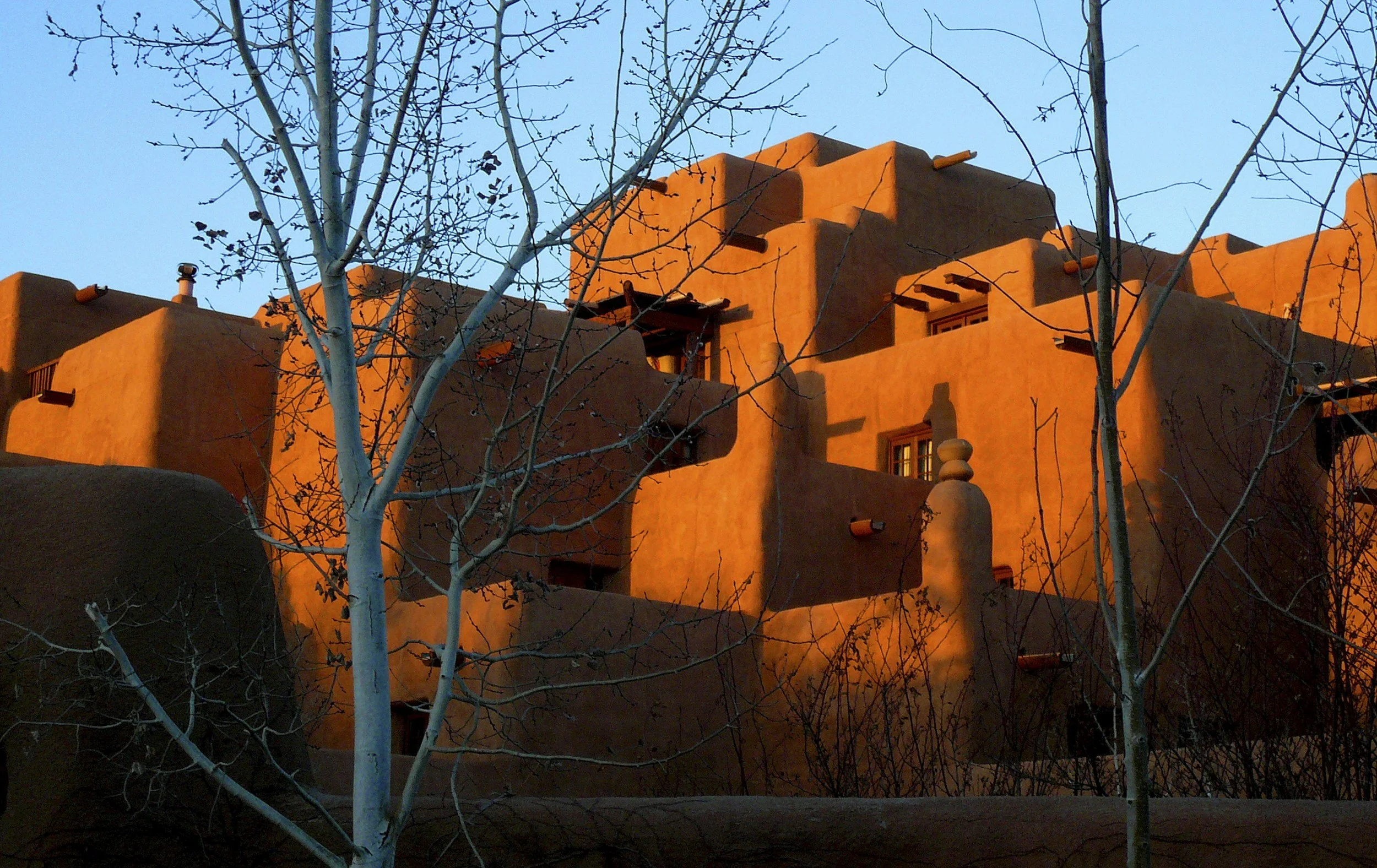
When Is the Right Time to Install Stucco? A Guide for New Mexico Homeowners
Stucco installation isn’t just about aesthetics—it’s about timing. In New Mexico’s climate, successful stucco application depends largely on surface temperature, and as long as the wall remains between 40°F and 120°F, installation can typically occur for 8–10 months of the year depending on location. Higher-elevation areas like Santa Fe, Taos, and Los Alamos tend to have shorter installation seasons, while places such as Albuquerque and Rio Rancho allow for a longer working window. Proper planning and experienced installation ensure the stucco cures correctly and performs for decades.

Sustainable Stucco Solutions: Enhancing Longevity and Eco-Friendly Practices in Santa Fe and Northern New Mexico
Sustainability in exterior construction is about more than using eco-friendly materials—it’s about building systems that last. In Santa Fe and Northern New Mexico, stucco has long been valued for its durability, energy efficiency, and compatibility with the region’s architecture. This guide explores how modern stucco systems, proper preparation, and responsible installation practices can create a longer-lasting exterior while reducing maintenance, material waste, and environmental impact.
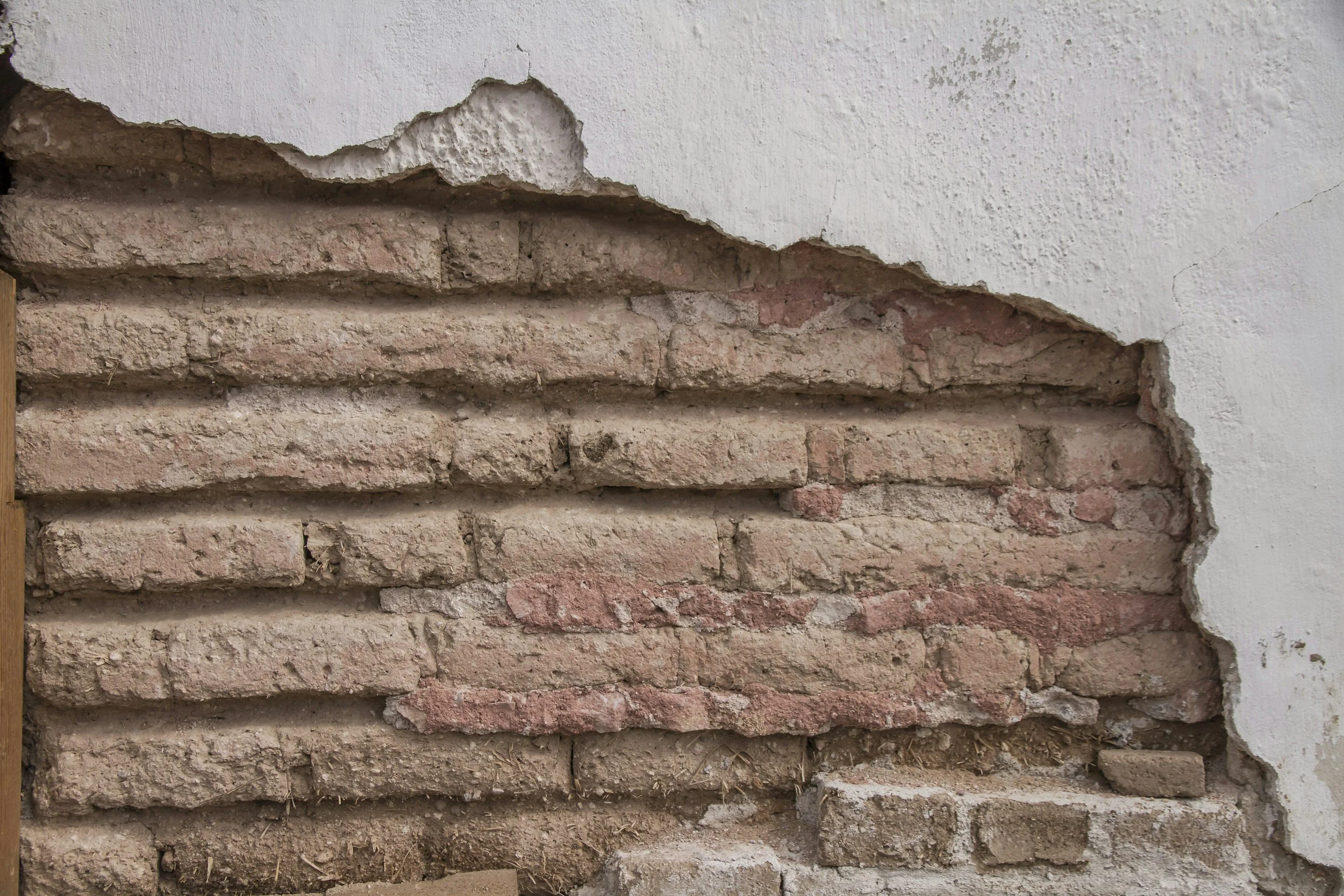
Stucco Over Adobe: A Guide to Traditional Stucco Applications in New Mexico
Adobe homes are a defining feature of New Mexico architecture, but resurfacing them requires a careful approach. This guide explains how stucco interacts with adobe walls, what building codes allow, and how to choose the right finish.
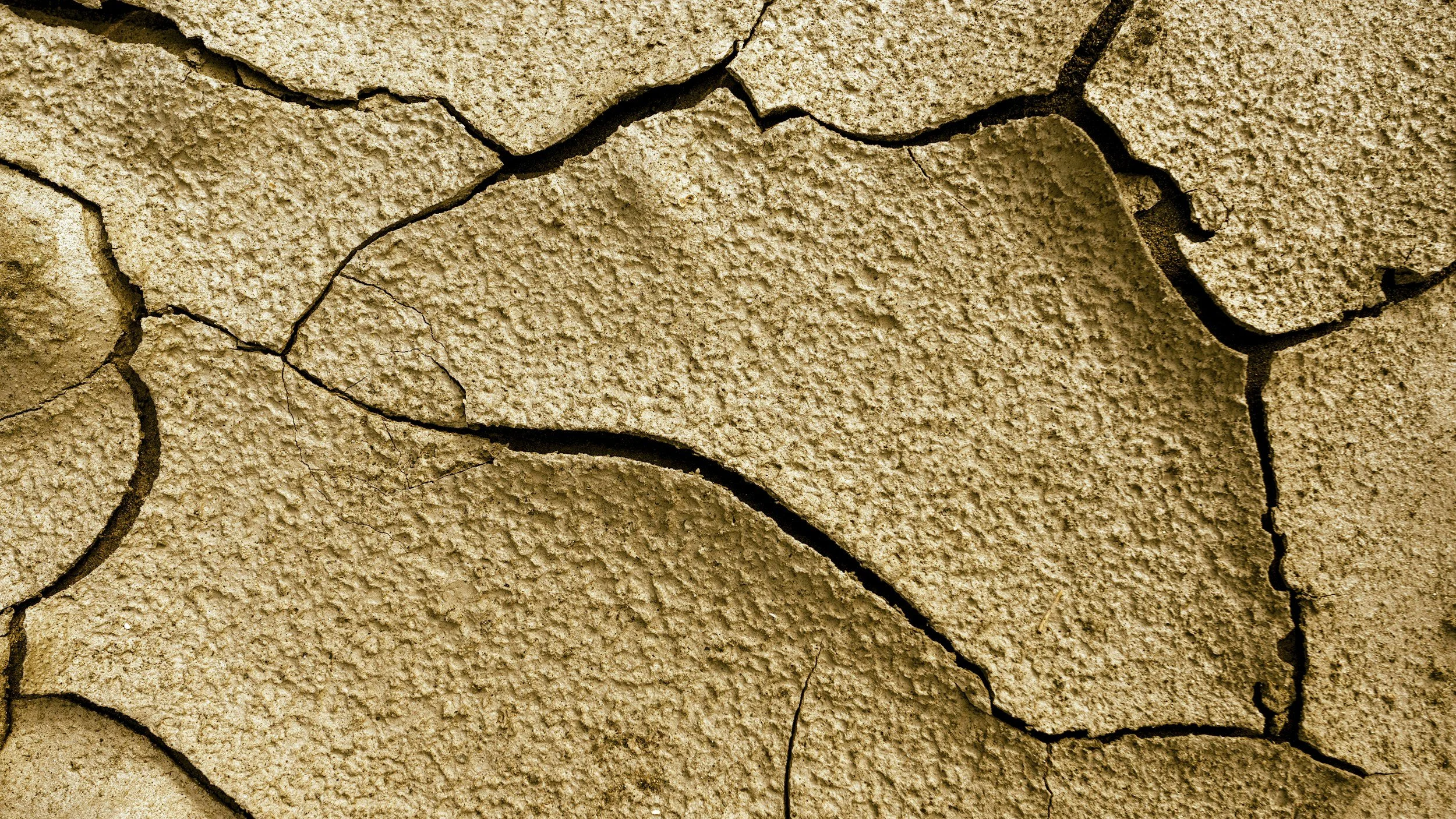
Is It Time to Replace Your Stucco? How to Inspect Your Home’s Exterior for Damage
Stucco homes are a staple of New Mexico’s landscape, but the desert’s intense climate can take its toll on even the most durable exterior. From cracking on parapets to moisture damage beneath canales, small issues can quickly escalate if left unchecked. In our latest blog, we walk homeowners through the steps to inspect their stucco, identify warning signs like efflorescence and discoloration, and understand the difference between traditional and synthetic stucco. Learn why early repairs can save you money and prevent internal damage, like mold and wood rot. Plus, we discuss why quick fixes with silicone, paint, or cement often fail, and why replacing stucco with stucco is the best long-term solution.
Don’t let minor issues become major headaches. Read the full post and learn how to protect your home from New Mexico’s harsh climate.
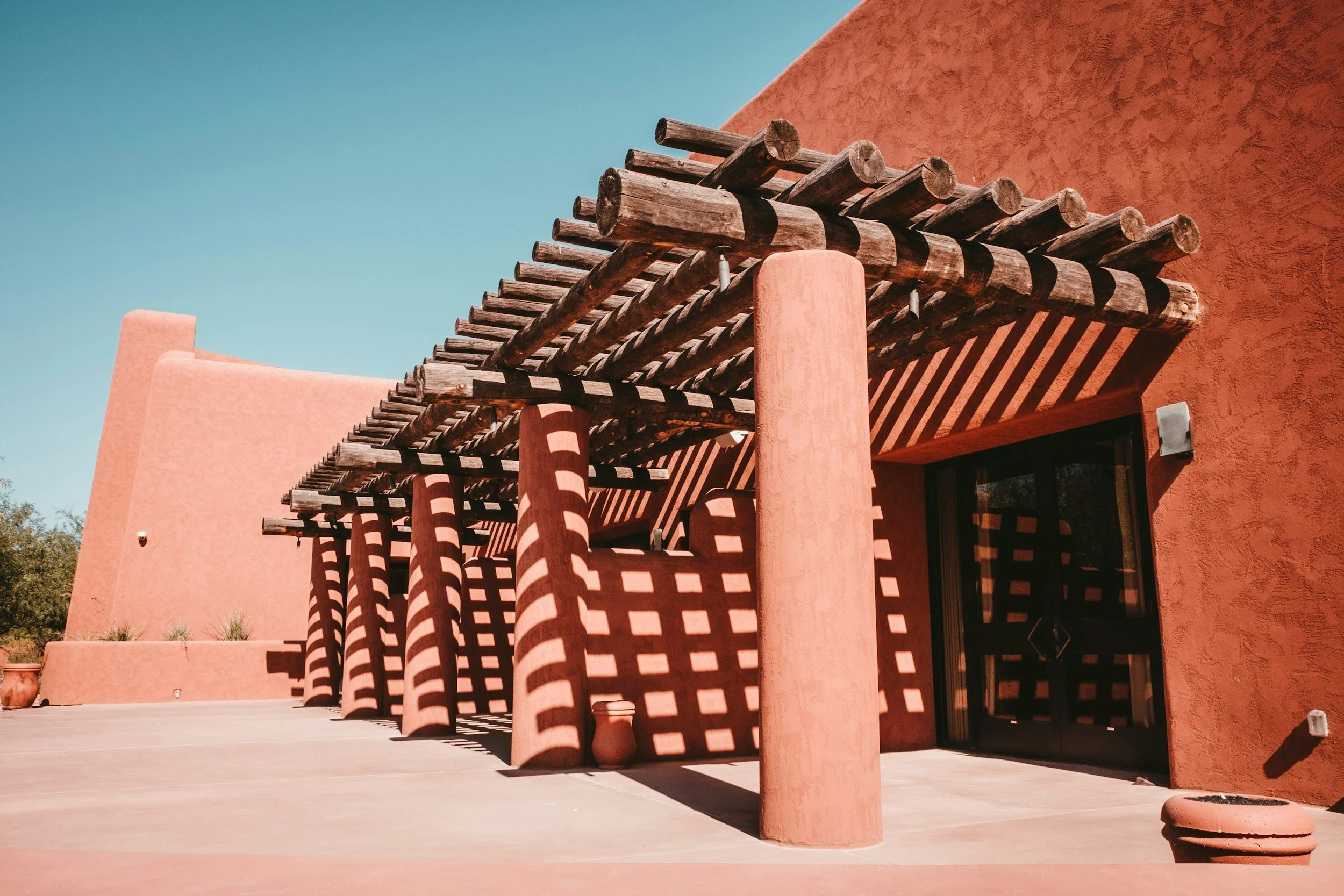
Traditional vs. Synthetic Stucco in New Mexico
Stucco, a hallmark of Southwestern architecture, has evolved from its humble adobe roots into two distinct forms: traditional and synthetic. While traditional stucco, with its rustic appearance and deep historical ties, was once the go-to material for New Mexico homes, it now faces challenges like cracking and efflorescence. In contrast, synthetic stucco, though initially plagued by installation issues, has become the modern solution, offering crack resistance, moisture control, and energy efficiency. Understanding the pros and cons of each will help you choose the right finish for your home. At Terrapin Stucco, we’re here to guide you every step of the way.
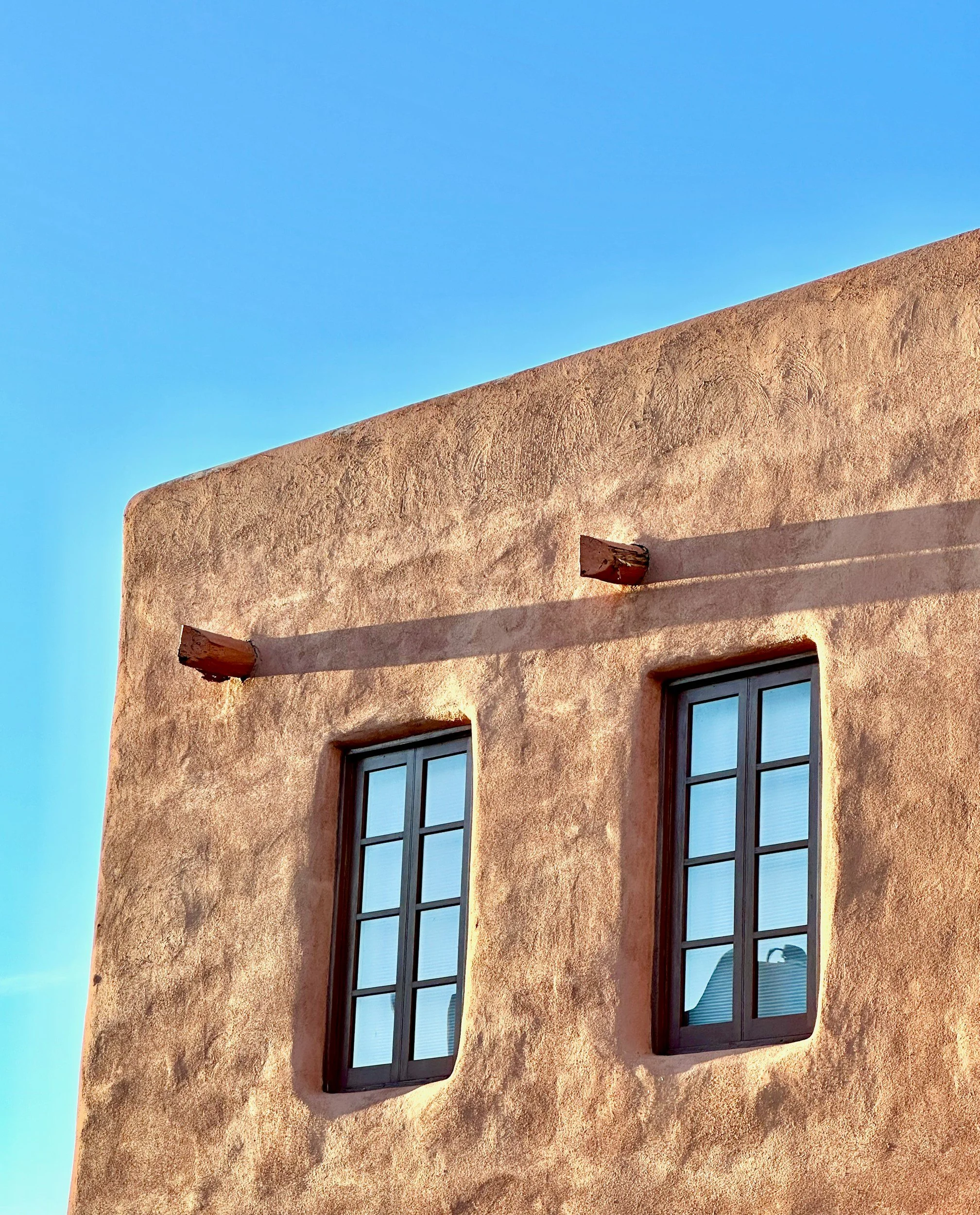
Replacing Your Windows? Here’s Why Stucco Patching is Essential
Replacing your windows or doors is a great way to enhance your home’s energy efficiency and appearance, but what about the stucco surrounding them? Cutting into stucco during a full-frame window replacement or to accommodate bullnose surrounds often requires expert patching to ensure a seamless, weather-tight finish. In our latest blog, we discuss why proper stucco patching, done with lath, fiberglass mesh, and base coats, is the best way to prevent cracks, leaks, and costly internal damage. We also explain how matching the texture and color of your existing stucco is essential for maintaining your home’s look and protecting it from the elements.
Read more to learn why a detailed stucco patch is the key to a durable, beautiful window replacement.